DEI in Leadership: Why Indian CHROs Can't Afford to Ignore It Anymore
DEI in leadership isn't just corporate jargon—it's reshaping how Indian companies attract talent and drive growth. Here's what CHROs need to know.
Look, I'm going to level with you. Five years ago, if someone mentioned "DEI in leadership" at a board meeting in Mumbai or Bengaluru, you'd probably get a few polite nods and a quick pivot to quarterly targets. But walk into that same room today? The conversation's completely different.
Here's the thing: diversity, equity, and inclusion in leadership isn't some imported Western concept that doesn't translate to Indian organizations. It's actually becoming the difference between companies that attract top talent and those that watch their best people walk out the door. And if you're a CHRO or head of HR reading this, you already know I'm right.

What Exactly Is DEI in Leadership? (And Why Should You Care?)
Let me break this down simply. DEI in leadership means building teams where everyone (regardless of their gender, background, caste, religion, physical ability, or where they went to college) has a fair shot at climbing the ladder. Not just existing in the organization, but actually leading it.
Think about your own leadership team right now. How many IIT/IIM grads? How many men versus women? How many people from tier-2 cities? How many with disabilities?
Yeah, that's what I thought.
The business case here isn't rocket science. Companies with diverse leadership teams make better decisions (up to 87% better, according to recent research). They're more innovative, understand their customers better, and frankly, they're just more interesting places to work.
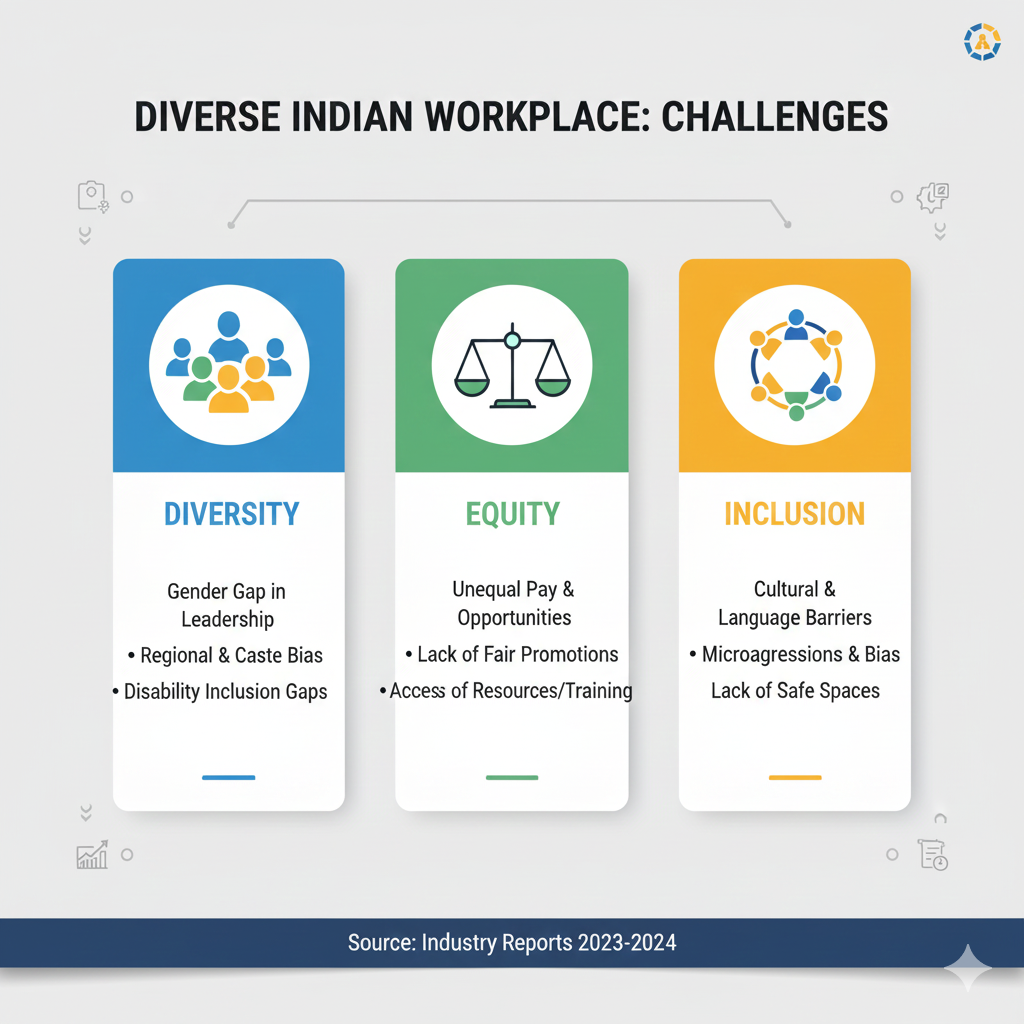
But here's where it gets tricky for Indian organizations. We're not just dealing with gender diversity (though that's a massive issue: women hold only about 17% of senior leadership roles in Indian companies). We're navigating caste dynamics, regional biases, language preferences, and a corporate culture that often values "culture fit" over "culture add."
The Real Challenges Indian Leaders Face With DEI
I've spoken with dozens of CHROs across sectors, and they're all wrestling with similar demons. Let me walk you through the big ones:
The "Merit" Argument Someone always says it. "We hire based on merit, not diversity." But here's what that actually means: we hire people who went to the same schools we did, who talk like us, who come from similar backgrounds. That's not merit. That's comfort.
Leadership Resistance Your senior leaders might intellectually support DEI, but when it comes to actual implementation? Suddenly there are a thousand reasons why this quarter isn't the right time. Or why that particular role needs someone with "traditional experience."
Measuring Success How do you measure inclusion? You can count heads easily enough (that's diversity). But equity and inclusion are slippery. Are people from underrepresented groups actually getting promoted at the same rate? Are they speaking up in meetings? Do they stay with the company long-term?
The Tokenism Trap And let's talk about the elephant in the room: tokenism. Hiring one woman or one person with a disability to check a box isn't DEI. It's performative diversity, and smart candidates see right through it.
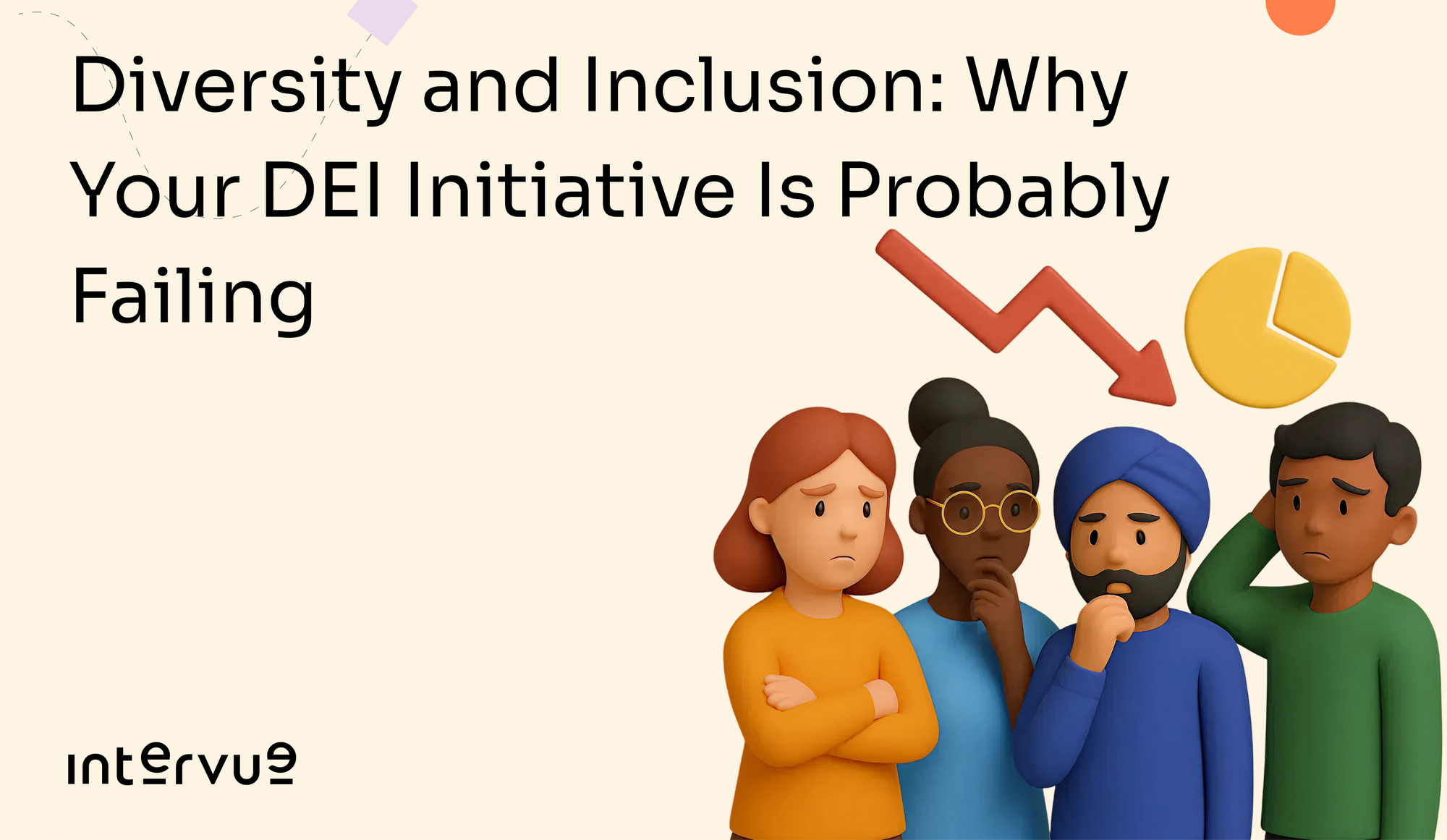
Many Indian organizations don’t fail at DEI because of bad intent, they fail because the initiative itself is poorly designed. In fact, most DEI programs collapse under predictable mistakes like checkbox hiring, lack of leadership accountability, and performative inclusion, as explored in detail in why most DEI initiatives fail and what organizations can do differently
What Makes an Inclusive Leader? (Hint: It's Not What You Think)
I'll tell you what an inclusive leader isn't: someone who merely tolerates diversity. That's the bare minimum, and honestly, it's insulting.
Real inclusive leaders have these traits:
- Curiosity without judgment: They genuinely want to understand perspectives different from their own
- Comfort with discomfort: They don't shut down difficult conversations about bias or privilege
- Awareness of their own blind spots: They know what they don't know
- Commitment to action: They don't just talk about DEI. They change policies, budgets, and processes
Here's a test: Ask your leaders to name three specific actions they took last quarter to advance DEI. If they struggle, you've got work to do.
How to Actually Promote DEI in Your Leadership Team
Alright, enough diagnosis. Let's talk solutions. And I'm going to be honest: some of this will make people uncomfortable. That's kind of the point.
Start With Brutal Honesty
Before you do anything else, audit your current state. And I don't mean a feel-good employee survey. I mean:
- What percentage of your leadership pipeline is from underrepresented groups?
- What's your promotion rate by gender, caste, region, disability status?
- What's your attrition rate for these groups versus the majority?
- Who speaks in meetings? Who doesn't?
If you're using platforms like Intervue.io for assessments, you're already ahead. Their structured interview processes can help remove unconscious bias from hiring. But hiring is just the start.
Make DEI a Business Priority, Not an HR Initiative
This is where most organizations mess up. They dump DEI on HR's plate and call it a day. But unless your CEO talks about it in every town hall, unless it's in performance reviews, unless it affects compensation, it's just noise.
One CHRO I know in Pune made DEI 20% of every leader's annual goals. Suddenly, people started paying attention.
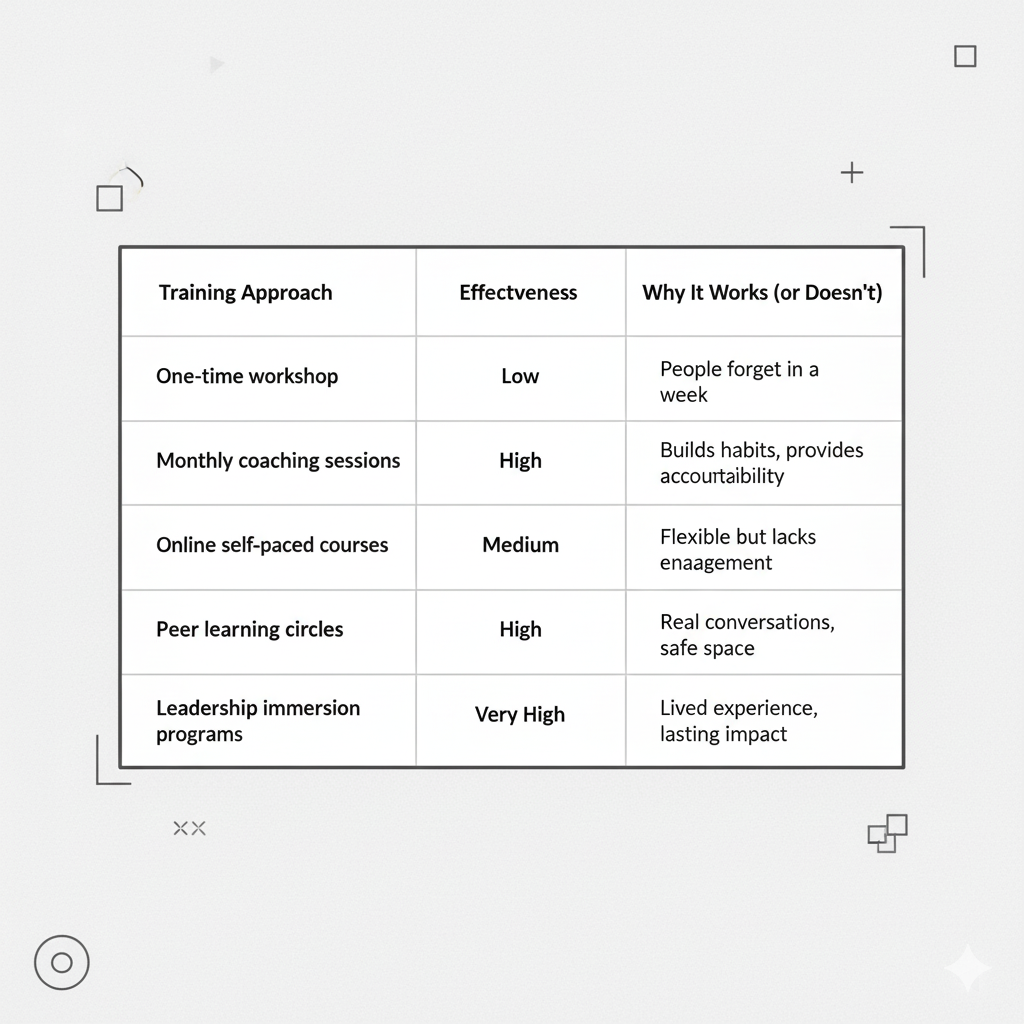
Training That Actually Works
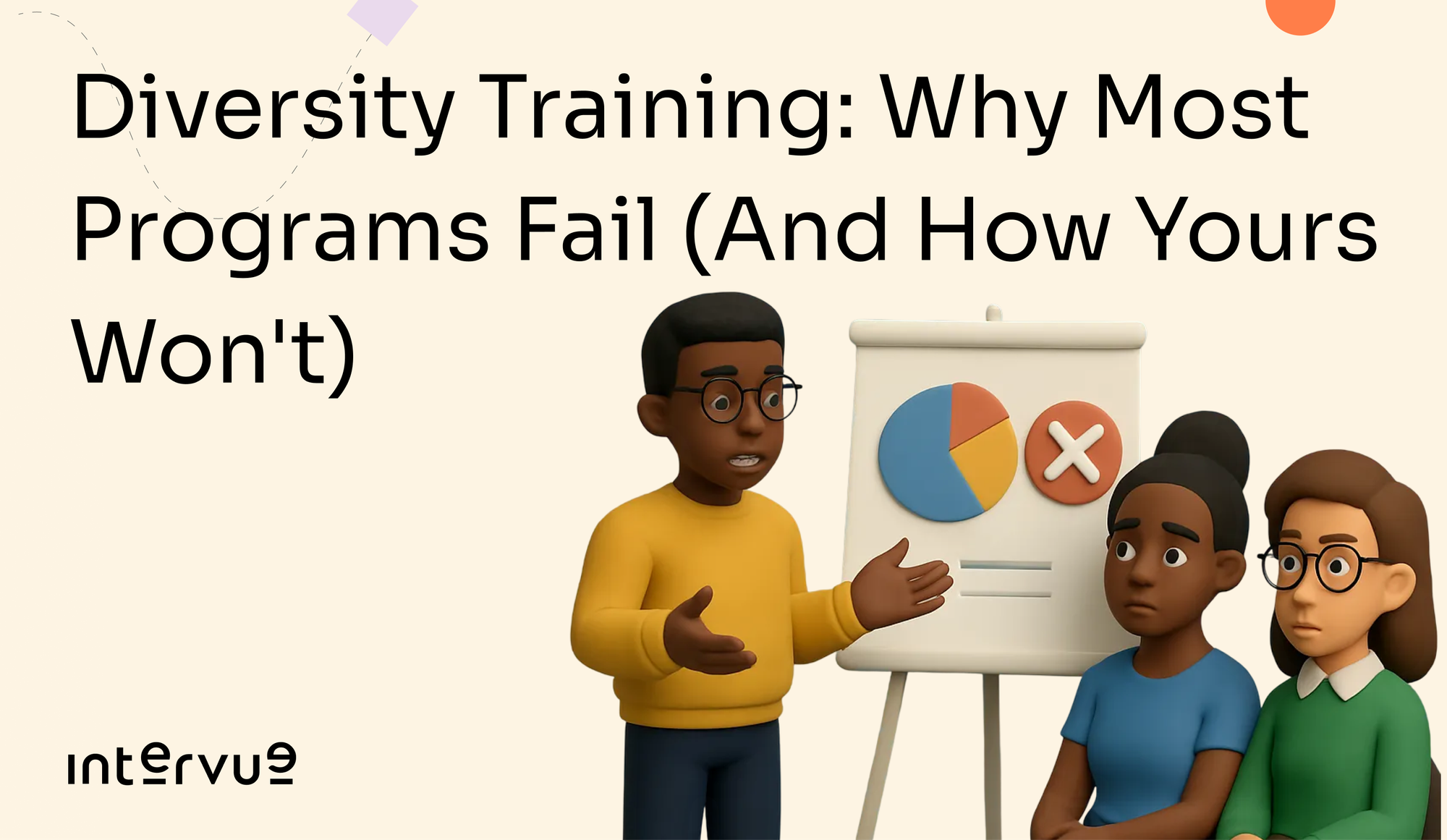
Let's be real: most DEI training is terrible. Death by PowerPoint, everyone nods politely, nothing changes.
What works instead:
- Scenario-based learning: Real situations your leaders will face
- Practice and feedback: Role-playing difficult conversations
- Ongoing coaching: Not one-and-done workshops
- Accountability: Follow-up on what people actually implemented
Programs like LinkedIn Learning's DEI for Leaders or Harvard Business Review's courses can be starting points, but customize them for your Indian context. The case studies from Silicon Valley don't always translate to Hyderabad.
Measuring What Matters: DEI Metrics That Actually Tell You Something
You can't improve what you don't measure. But here's the trick: measure the right things.
Don't just track:
- Diversity percentages in hiring
- Number of DEI training hours
- Employee resource group membership
Do track:
- Promotion rates by demographic group
- Pay equity (same role, same level, same pay?)
- Retention rates for underrepresented groups
- Participation rates in leadership programs
- Internal mobility patterns
- Psychological safety scores by team
Tools like Diversio's DEI Assessment Platform or CultureAmp's DEI Surveys can help you gather this data systematically. But honestly? Sometimes a simple, anonymous conversation tells you more than any dashboard.
Creating an Inclusive Workplace Culture: Beyond the Policies
Policies are important (flexible work, parental leave, anti-discrimination protocols). But culture? That's the water your organization swims in. It's harder to see and even harder to change.
Here's what building an inclusive culture actually looks like:
Psychological Safety Can someone disagree with their manager without fear? Can they point out a problematic comment? Can they admit they don't understand something?
If your answer is "I think so," the answer is no.
Visible Representation When junior employees look up the ladder, do they see people like them? Do your marketing materials show diverse teams? Do your speakers at events represent different backgrounds?
Fair Access to Opportunities Who gets invited to the strategic planning meeting? Who gets the high-visibility project? Who gets mentored by senior leaders?
Track this. You'll probably find patterns you don't like.

Fostering Open Communication About DEI Issues
This is where things get uncomfortable. And that's okay.
You need forums where people can talk honestly about DEI challenges. Not sanitized town halls where everyone says the right thing. Real conversations.
Some organizations create confidential listening sessions with external facilitators. Others establish employee resource groups with direct access to leadership. Some use tools like Intervue.io's mock interview platform to help employees practice having difficult conversations about bias or discrimination.
But here's the key: when someone shares something difficult, you can't get defensive. You have to listen, acknowledge, and commit to action.
I watched a CEO completely lose the room once by responding to concerns about gender bias with "But we have women leaders!" Defensive. Dismissive. Destructive.
Better response: "Thank you for sharing that. Tell me more about what you're experiencing, and let's figure out what we need to change."
Addressing Resistance (Because It Will Come)
Let's talk about the people who will push back on your DEI efforts. They exist in every organization.
Some will be overtly hostile. Most will be subtly resistant. "Why are we focusing on this instead of business results?" "Aren't we being reverse discriminatory?" "This feels like forced diversity."
Here's how I've seen effective CHROs handle this:
Connect DEI to Business Outcomes Show the data. Companies with diverse leadership outperform. Innovation comes from diverse perspectives. Top talent wants inclusive workplaces. This isn't charity. It's competitive advantage.
Address Concerns Directly Yes, DEI means some people who've had advantages might face more competition. That's not discrimination. That's fairness. Having a level playing field can feel unfair when you're used to having the field tilted in your favor.
Make It Personal Ask resisters: "Would you want your daughter to have equal opportunities? Your cousin with a disability? Your friend from a different background?" It's harder to resist when you make it human.
Set Clear Consequences Resistance that turns into obstruction needs consequences. This isn't optional.
Best Practices That Actually Work in Indian Context
Let me share what I've seen work in Indian organizations specifically:
Blind Resume Screening Remove names, colleges, photos from initial screening. Intervue.io's assessment tools can help standardize this process, evaluating candidates on actual skills rather than pedigree.
Diverse Interview Panels If you have three men from IIT interviewing candidates, guess who they'll unconsciously favor? Mix your panels.
Sponsorship Programs Mentorship is great. Sponsorship (where senior leaders actively advocate for and create opportunities for underrepresented talent) is better.
Regional Hiring Initiatives Stop hiring only from metros. Tier-2 and tier-3 cities have incredible talent that's often overlooked.
Accessibility Audits Can someone with a disability actually work in your office? Use your technology? Attend your meetings?
Language Inclusion Is English dominance shutting people out? Can meetings happen in other languages when appropriate?
Resources to Help You on This Journey
You don't have to figure this out alone. Here are some resources that Indian CHROs have found genuinely helpful:
Training and Education:
- Harvard Business Review's DEI Leadership Course for comprehensive strategy
- LinkedIn Learning's practical modules that your entire team can access
- Coursera's Leading with Diversity, Equity & Inclusion for university-backed frameworks
Assessment and Analytics:
- Diversio's platform for data-driven insights
- CultureAmp for ongoing employee feedback
- Gallup's Inclusive Leadership Assessment for measuring leader behaviors
Consulting and Strategy:
- Paradigm and Ideal for strategy development
- Deloitte's Inclusive Leadership Program for global best practices adapted locally
- Local consultants who understand Indian organizational dynamics
For Your Hiring Process: Platforms like Intervue.io are particularly valuable because they help you build structured, bias-free interview processes from the start. Their mock interview features can help train your interviewers, while their assessment tools ensure you're evaluating candidates on actual competencies rather than gut feel or pedigree.
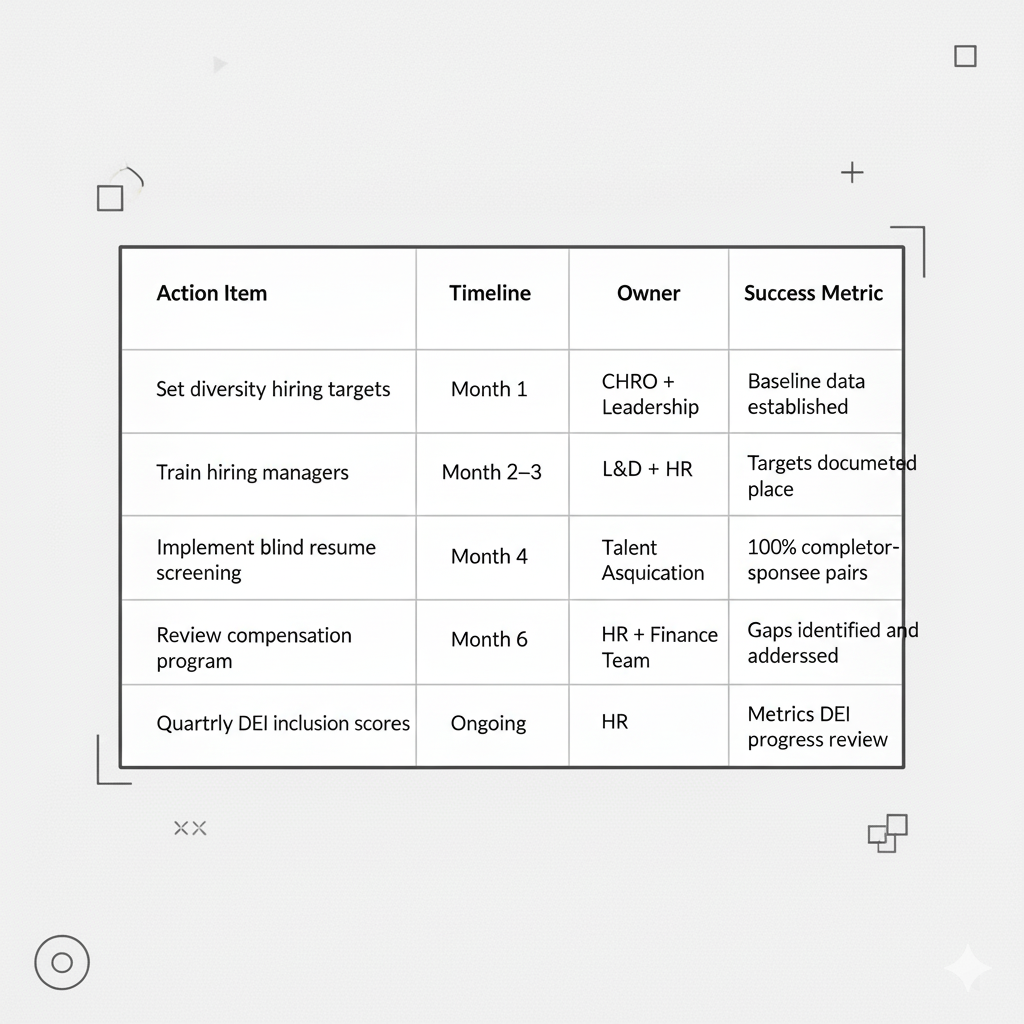
The Path Forward: Your Next Steps
Look, I'm not going to pretend this is easy. Building DEI into your leadership isn't a quarter-long initiative. It's a fundamental shift in how your organization operates.
But here's what I know: Indian organizations that get this right will have a massive competitive advantage. They'll attract the best talent. They'll make better decisions. They'll build products and services that actually serve India's diverse population. They'll be the places where people want to work.
And the organizations that don't? They'll wonder why their best people keep leaving. Why they can't seem to innovate. Why they're struggling to compete.
So start today. Pick one thing from this article (maybe it's conducting that brutal audit, maybe it's training your leadership team, maybe it's implementing structured interviews through a platform like Intervue.io). Just start.
Because here's the truth: DEI in leadership isn't about being politically correct or checking boxes. It's about building better organizations. And if you're a CHRO who cares about that, you already know what to do next.

Let's Have a Conversation
What's your biggest DEI challenge right now? Where are you stuck? I'd genuinely love to hear from you. Because this work is hard, and none of us have all the answers. But together? We might just figure it out.
Ready to make your hiring process more inclusive and effective? Explore how Intervue.io's interview-as-a-service platform can help you build structured, bias-free assessments that identify the best talent regardless of background. Because the future of Indian leadership depends on who we're willing to see.
This article represents insights gathered from extensive conversations with CHROs, HR leaders, and DEI practitioners across Indian organizations. The journey toward inclusive leadership is ongoing, and every organization's path will be unique.