Diversity Training: Why Most Programs Fail (And How Yours Won't)
Transform your diversity training from checkbox exercise to culture revolution. Expert guide for CHROs on creating effective DEI training programs that actually work.
Let me tell you about the worst diversity training session I ever witnessed.
A room full of senior leaders, arms crossed, checking their phones while a well-meaning facilitator clicked through slides about unconscious bias. The training concluded with a video montage set to inspirational music, everyone nodded politely, and by the following Monday, absolutely nothing had changed. Two weeks later, the same executives who'd sat through that training made a hiring decision that eliminated the only diverse candidate from the shortlist.
Sound familiar?
Here's the uncomfortable truth: most diversity training programs don't just fail; they sometimes make things worse. Research shows that mandatory diversity training can actually increase bias and resentment rather than reduce it. Companies spend millions on DEI training that checks compliance boxes but doesn't change hearts, minds, or behaviors.
But here's the thing: when done right, diversity training transforms organizations. It's the difference between performative allyship and genuine culture change. Between token representation and authentic inclusion.
What Is Diversity Training (Beyond the Corporate Buzzwords)
Diversity training is the intentional process of educating your workforce about differences in identity, background, and experience; and more importantly, how those differences shape workplace dynamics, opportunities, and outcomes.
Real diversity training is about rewiring how people see, think, and interact. It's understanding that the hiring criteria you consider "objective" might systematically exclude entire groups of qualified candidates. It's acknowledging that the colleague who speaks up in every meeting has advantages that the brilliant introvert sitting quietly doesn't.
Inclusion training, cultural competence training, and unconscious bias training all fall under this umbrella, each with slightly different focuses but united by a common goal: creating workplaces where diverse talent doesn't just exist but thrives.
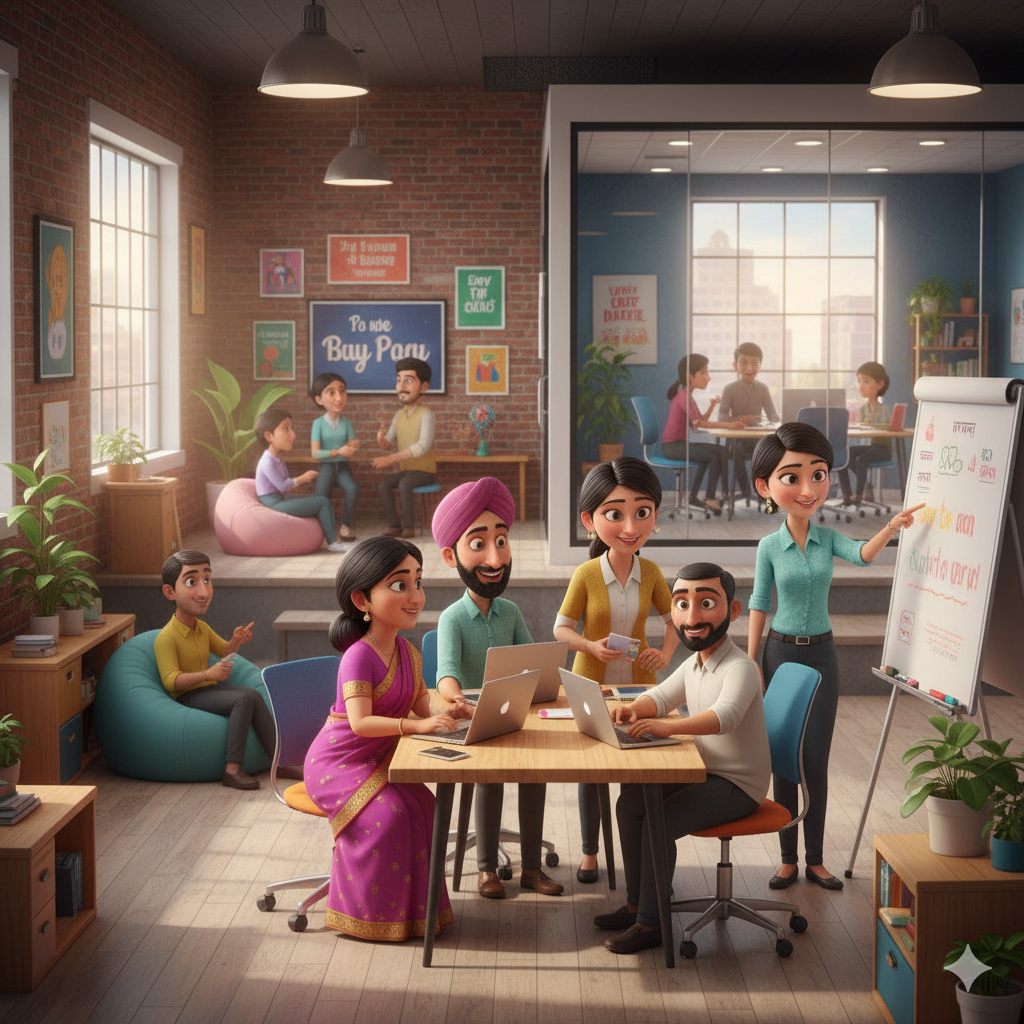
Why Diversity Training Matters More Than You Think
Companies with effective diversity and inclusion programs see 2.3 times higher cash flow per employee. They're 35% more likely to outperform their competitors. In India's competitive talent landscape, diverse companies have their pick of the best candidates; 69% of executives rate diversity and inclusion as an important issue.
But beyond the business case, there's something more fundamental at stake: you're losing talent you've already invested in recruiting. When employees from underrepresented groups don't feel included, they leave. And they take their skills, networks, and institutional knowledge with them.
Diversity training for employees addresses this by creating a common language, shared understanding, and explicit norms for how your organization operates. It makes the invisible visible. It names behaviors that were previously ignored.
Why Most Diversity Training Fails
Most diversity training programs fail for predictable reasons:
It's Mandatory and Punitive: Nothing kills enthusiasm faster than forced participation. When diversity training feels like punishment, particularly when triggered by an incident or complaint, people show up defensive, not curious.
It's One-and-Done: Two hours once doesn't rewire decades of socialization. Real behavior change requires sustained engagement, practice, and reinforcement.
It's Generic: The same content delivered to everyone. Different teams face different challenges. One-size-fits-all rarely fits anyone well.
It Lacks Follow-Through: Training ends, everyone returns to their desks, and nothing changes. No accountability. No revised processes. No consequences for reverting to old patterns.
I once worked with a CHRO who said, "We did diversity training last year. We're good now." That's like saying, "I went to the gym in 2023, so I'm fit for life." It doesn't work that way.
What Topics Actually Matter in Diversity Training

Effective diversity awareness programs cover territory that makes people squirm a bit. That's how you know it's working.
Unconscious Bias
Unconscious bias training examines the mental shortcuts our brains take; shortcuts that often lead to flawed decisions. We naturally gravitate toward people who remind us of ourselves. We make assumptions based on accents, names, appearance, and credentials that have nothing to do with actual capability.
Good training helps people recognize these patterns without shame. The goal isn't to eliminate bias (impossible) but to interrupt it before it influences decisions.
Microaggressions
These are the small, often unintentional slights that accumulate over time. "You speak English so well!" to an Indian colleague who was born in Delhi. Assuming the woman in the meeting is taking notes rather than leading the project.
Training should help people understand impact versus intent. Your intention might be benign, but the impact can still be harmful.
Intersectionality
A Dalit woman faces different challenges than a Brahmin woman. A gay Muslim man navigates different complexities than a gay Hindu man. Cultural competence training helps people understand that identities intersect and compound, creating unique experiences that can't be reduced to single categories.
Privilege and Power
This is where people get defensive. But you can't have honest workplace diversity conversations without acknowledging that some people face systemic barriers others don't. Some voices are heard more easily. Some mistakes are forgiven more readily.
Good training helps people see their own privilege without guilt and understand how to use that privilege to create more equitable systems.
How to Create Diversity Training That Actually Works
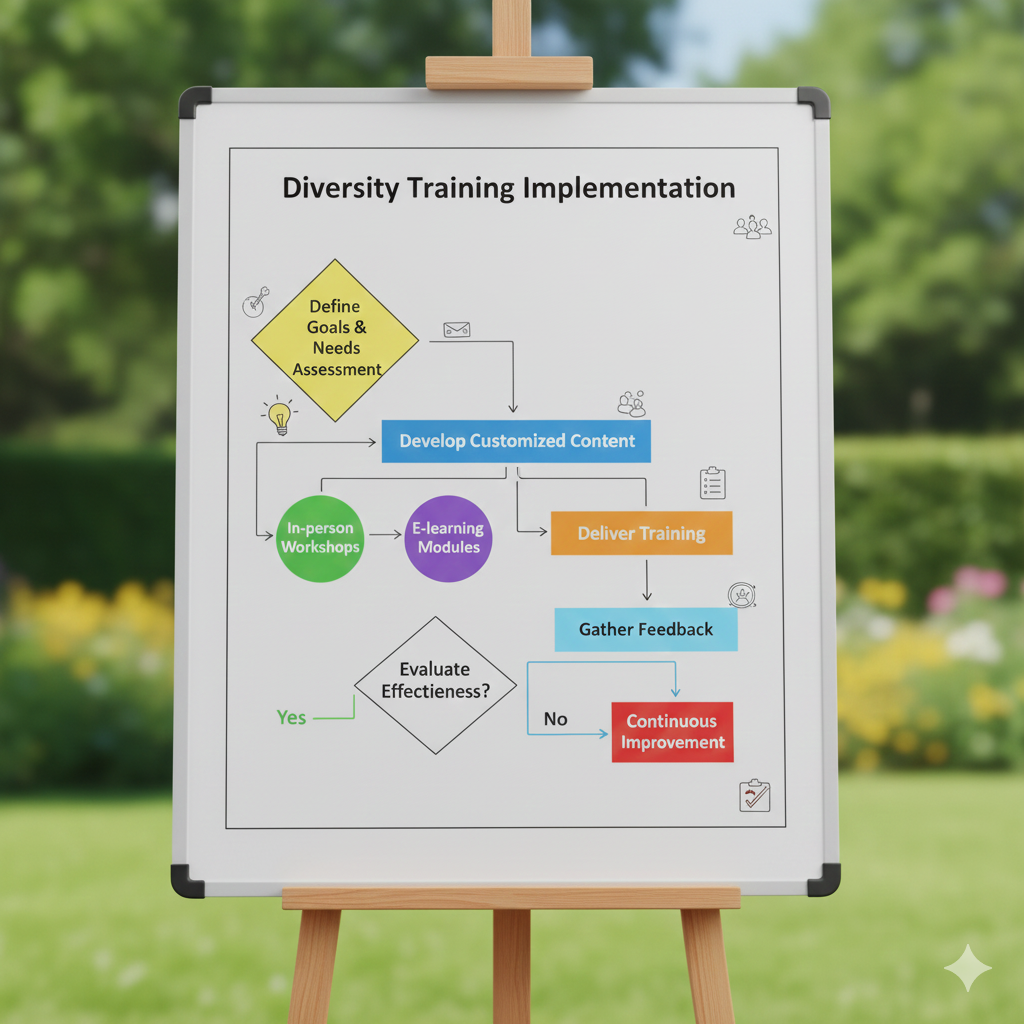
Here's how you build a program that changes behavior, not just awareness.
Start With Diagnosis, Not Training
Before designing any training, you need to understand your specific challenges:
- Data Analysis: Where do bias patterns show up in your hiring, promotion, and retention data? Which groups are underrepresented at which levels?
- Listening Sessions: Talk to employees from underrepresented groups. What do they experience? What behaviors do they observe?
- Leadership Assessment: How equipped are your managers to create inclusive teams? Use tools from Glint or Culture Amp to assess current competencies.
This diagnosis tells you what training needs to address. Diversity training best practices start with specificity, not generic content.
Design for Your Context
For Indian organizations, that might mean:
- Addressing caste dynamics explicitly (uncomfortable but necessary)
- Navigating religious diversity with dozens of observances to accommodate
- Regional and linguistic diversity that creates unofficial hierarchies
- Gender dynamics in male-dominated industries
- Urban-rural divides that shape educational access and career trajectories
Work with providers like Diversity Builder who can customize content rather than deliver off-the-shelf modules.
Make It Experiential, Not Lecture-Based
The most effective diversity training activities engage participants actively:
Scenario-Based Learning: Present realistic workplace situations and have people practice responding. What do you do when you witness a microaggression? How do you intervene when someone's being talked over?
Real Case Analysis: Use sanitized examples from your own organization. "Here's a promotion decision we made. What do you notice about how we evaluated them?"
Platforms like Continu and Qualtrics offer simulation-based learning. For interview-specific bias training, Intervue.io's mock interview platform allows hiring managers to practice inclusive interviewing techniques in a controlled environment, receiving feedback on their approach before conducting real candidate interviews.
Build Sustained Engagement
You conduct training, everyone nods, and then nothing reinforces those lessons. Instead, create a diversity education journey:
Year 1 Roadmap:
- Q1: Foundational awareness for all employees (4 hours)
- Q2: Manager-specific training (8 hours over two sessions)
- Q3: Department-specific workshops addressing unit challenges
- Q4: Advanced topics for employees who want deeper engagement
Ongoing Reinforcement:
- Monthly lunch-and-learns on specific topics
- Quarterly leadership discussions reviewing diversity metrics
- Integration into performance reviews and leadership assessments
- Employee resource groups as communities of practice
SHRM offers diversity training webinars that provide bite-sized ongoing learning.
Create Accountability
Training without accountability is theater. You need mechanisms ensuring learning translates to behavior:
- Inclusive Leadership Competencies: Add these to job descriptions and performance expectations.
- 360 Feedback: Include questions about inclusive leadership in peer and direct report feedback.
- Decision Audits: Periodically review hiring, promotion, and assignment decisions. Tools like Intervue.io can help by providing data-driven insights into interview performance across different interviewers, highlighting potential bias patterns in candidate evaluation.
- Consequences for Bad Actors: When someone engages in biased behavior, address it swiftly.
Specialized Training for Different Needs
Diversity training for recruitment focuses specifically on hiring processes: writing inclusive job descriptions, structuring interviews to reduce bias, evaluating candidates fairly. Platforms like Intervue.io help by providing structured interview assessments and mock interview capabilities that reduce subjective bias in the hiring process. Their interview-as-a-service model ensures consistency across candidates while their assessment tools help identify skills objectively.
Diversity training for managers requires different content than general employee training. Managers make decisions about hiring, promotions, and assignments. Their biases have outsized impact. Programs like BetterUp offer leadership training that combines coaching with cohort learning.
Diversity training for remote teams from Vantage Circle addresses unique virtual work challenges: ensuring remote workers aren't excluded from opportunities, managing across time zones fairly, building connection without physical proximity.
Diversity Training for Small Businesses
"We're too small for formal diversity training" is something I hear constantly. Let me be direct: diversity training for small businesses might be even more critical because every hire matters more and culture forms quickly.
You don't need massive budgets:
- LinkedIn Learning offers comprehensive diversity training online courses at reasonable subscription rates
- SHRM provides diversity workshops and resources for members
- Leverage affordable assessment tools like Intervue.io for creating bias-free interview processes without expensive consulting
- Create monthly team discussions using articles or TED Talks as jumping-off points
- Include diversity and inclusion expectations in onboarding from day one
Measuring What Matters
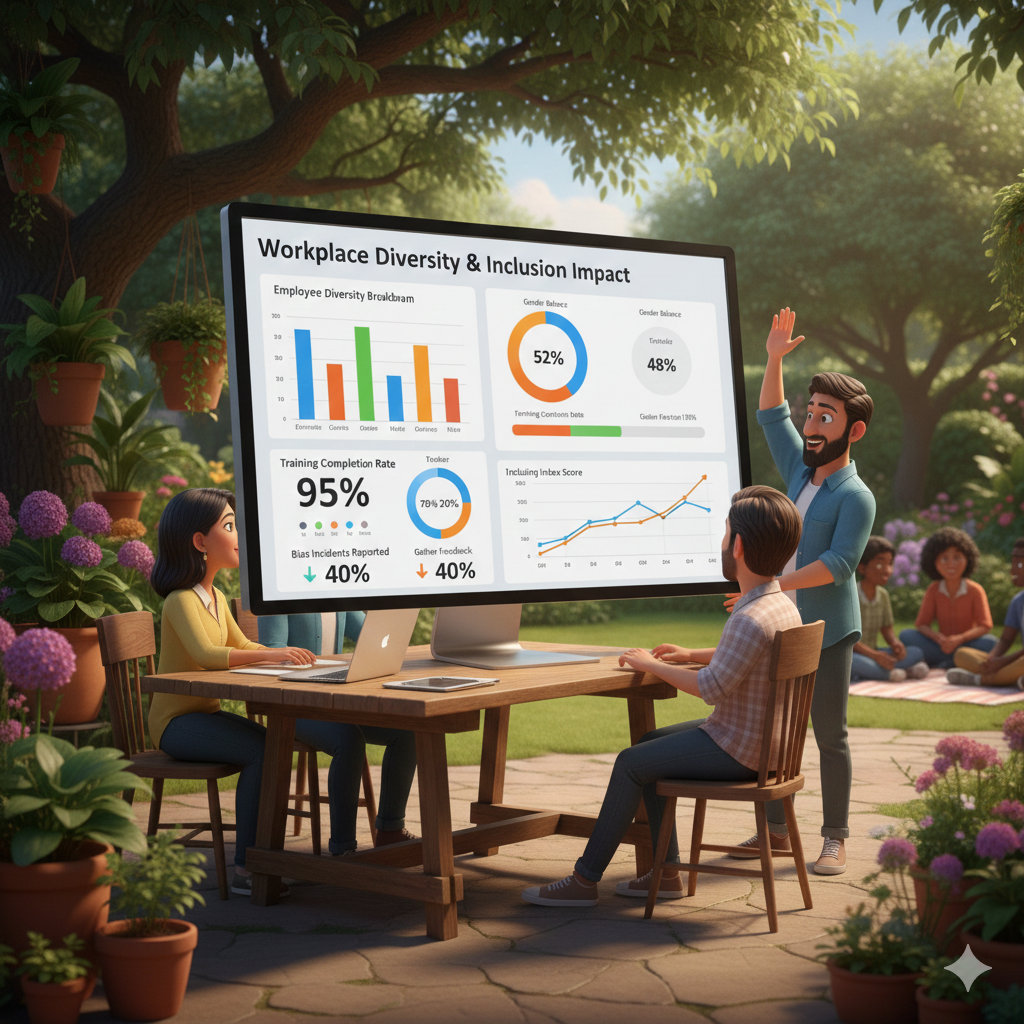
You need to know if training is working. Here's a measurement framework:
Immediate Assessment
- Knowledge acquisition through quizzes
- Attitude shifts via pre and post surveys
- Confidence levels in applying learning
Behavioral Change (30-90 Days)
- Are hiring panels more diverse?
- Have microaggressions decreased?
- Are meetings more participatory across different groups?
- Have promotion rates become more equitable?
Organizational Outcomes (6-12 Months)
- Retention rates by demographic group
- Performance ratings distribution across groups
- Promotion velocity by background
- Innovation metrics
For hiring-related diversity metrics, Intervue.io provides analytics showing candidate progression rates, interview scoring patterns, and other data that can reveal whether your inclusive hiring training is translating to practice.
| Timeline | What to Measure | Success Indicators |
|---|---|---|
| Immediately | Knowledge & attitude | 80%+ knowledge retention |
| 30–60 Days | Behavioral change | Increased inclusive behaviors |
| 90–180 Days | Process changes | More diverse hiring |
| 6–12 Months | Culture & outcomes | Higher belonging scores |
| Annually | Business impact | Better business outcomes |
Special Considerations for India
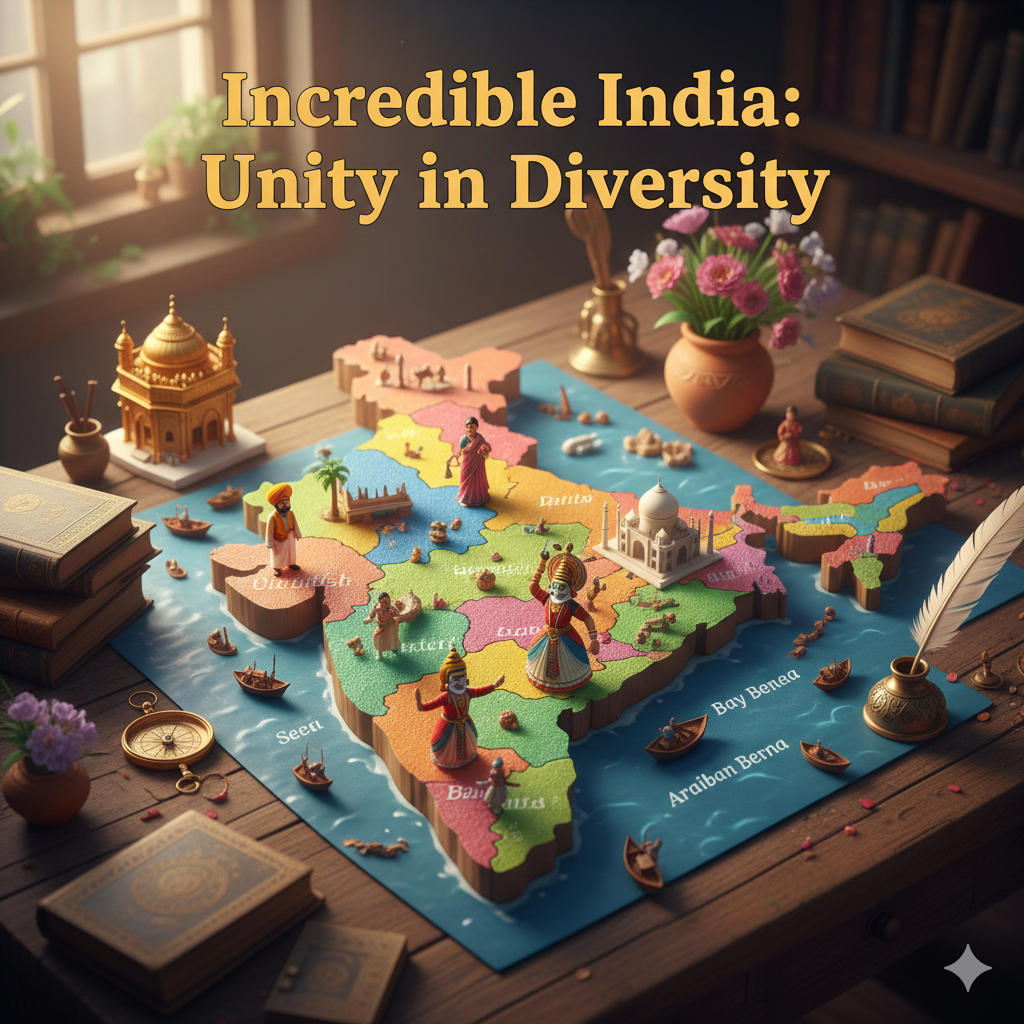
India's diversity landscape is uniquely complex:
Caste Consciousness: Effective cultural competence training in India must address how caste affects hiring, promotions, and social dynamics. Create policies that support employees from scheduled castes and tribes.
Religious Pluralism: With major populations of multiple faiths, religious inclusion requires accommodation for diverse religious observances, sensitivity around food practices and dress codes, and addressing religious bias explicitly.
Regional and Linguistic Diversity: English fluency correlates with privilege but not necessarily competence. Value regional language speakers' contributions equally. Ensure advancement isn't contingent on accent or English proficiency.
Gender Beyond Binary: India's progressive legal recognition of transgender rights creates opportunities for genuine inclusion. Training should cover appropriate terminology, pronoun usage, and creating welcoming environments for LGBTQ+ employees.
Disability Inclusion: With extremely low employment rates for people with disabilities, this represents massive untapped talent. Training should include understanding different types of disabilities and attitudinal barriers that exclude disabled talent.
Common Mistakes to Avoid
Starting With Training: Training is the middle step. First, you need commitment from leadership and infrastructure to support change.
Making It HR's Job Alone: Line leaders must own this. If diversity training is just another HR initiative, it won't stick.
Avoiding Discomfort: If everyone leaves feeling comfortable, you probably didn't go deep enough. Growth happens at the edge of discomfort.
No Connection to Business Strategy: When diversity is siloed from business objectives, it's the first thing cut during budget pressures.
Inconsistent Messaging: If training says one thing but promotions signal something else, people trust behaviour over words.
Take Action Now
This Week:
- Pull your current diversity metrics and identify the biggest gaps
- Survey employees from underrepresented groups about their experiences
- Explore Intervue.io's assessment capabilities for reducing interview bias
This Month:
- Present business case to leadership team
- Form a diversity council with cross-functional representation
- Register for HRCI diversity training certification
This Quarter:
- Complete organisational assessment using Culture Amp or Glint
- Design pilot training program
- Launch with voluntary cohort and gather feedback
This Year:
- Roll out comprehensive training to entire organization
- Implement structured interview processes using Intervue.io
- Measure impact against baseline metrics
- Celebrate progress while acknowledging work remaining
The Bottom Line
Diversity training won't fix everything. It can't compensate for discriminatory policies, toxic leaders, or organizational structures that systematically exclude. Training is one tool in a much larger toolkit.
But when done right, when accompanied by structural changes, accountability mechanisms, and visible leadership commitment, diversity training transforms organizations. It creates workplaces where diverse talent doesn't just survive but thrives.
The question isn't whether to invest in diversity training. It's whether you're willing to invest in the kind of training that actually transforms rather than just checks boxes.
The workforce is changing. Younger employees demand authenticity and inclusion as non-negotiables. Your competitors are making their choice. Your future employees are making theirs.
What will you choose?
Ready to build diversity training that drives real change? Start with Culture Amp's assessment toolkit, explore Diversity Builder's customized solutions, or consider Intervue.io's interview-as-a-service platform to standardise and improve candidate evaluation. Your transformed workplace starts with the decision to do this right.